Want to make videos that look smooth, sharp, and exciting? Great news. You do not need a giant camera or a film school badge to start. You need the right lessons, steady practice, and a little bit of creative courage.
TLDR: A great videography course should teach camera basics, lighting, sound, editing, and storytelling. Pick a course that matches your budget, skill level, and gear. Practice every week with small projects. The best course is the one that makes you excited to keep filming.
Why Learn Videography?
Video is everywhere. It is on phones, websites, ads, weddings, travel pages, online shops, and social media. People use video to teach, sell, share, and entertain.
That means videography is a powerful skill. It can help you start a hobby. It can help you grow a business. It can even help you build a career.
And here is the best part. You can begin with what you already have. A phone works. A small camera works. A simple light near a window works too.
Fancy gear is nice. Good skills are better.
What Makes a Videography Course “The Best”?
The best videography course is not always the most expensive one. It is the one that helps you learn clearly. It should feel easy to follow. It should give you things to do, not just things to watch.
Look for a course with these features:
- Simple lessons. No confusing words without explanation.
- Real examples. You should see how shots are made.
- Practice tasks. You learn by filming, not only by listening.
- Editing help. Shooting is only half the magic.
- Feedback options. Comments from a teacher or group are gold.
- Clear structure. Each lesson should build on the last one.
A good course should make you say, “Oh! I get it now.” Not, “Wait, what just happened?”
Start With the Basics
Every strong videographer starts with the basics. These are the building blocks. They may sound small, but they make a huge difference.
1. Camera Settings
Your course should explain camera settings in a simple way. You need to understand:
- Frame rate: This controls how motion looks.
- Shutter speed: This affects blur and motion feel.
- Aperture: This changes brightness and background blur.
- ISO: This helps in dark places, but too much can add grain.
- White balance: This keeps colors looking natural.
Do not worry if these words feel scary. A good course will explain them with examples. It should show the same scene filmed with different settings. That makes it click.
2. Composition
Composition is how you arrange things in the frame. It is like decorating a tiny moving window.
You will learn about:
- The rule of thirds.
- Leading lines.
- Headroom.
- Background control.
- Balance and symmetry.
Good composition makes your video look clean. It guides the viewer’s eye. It also makes simple scenes feel professional.
3. Camera Movement
Movement can add life to your shots. But shaky movement can make viewers feel like they are on a boat in a storm.
A strong course should teach smooth movement. This includes:
- Pans.
- Tilts.
- Push ins.
- Pull backs.
- Tracking shots.
- Handheld filming.
You should also learn when not to move the camera. Sometimes a still shot is more powerful.
Lighting: The Secret Sauce
Lighting can make a video look rich and polished. Or flat and spooky. It has a big job.
The best videography courses teach natural light first. This is smart. Sunlight is free. Windows are friendly. Shade can be beautiful.
Then the course should explain basic lighting setups. A simple three point lighting setup is a great start. It uses:
- Key light: The main light.
- Fill light: A softer light that reduces shadows.
- Back light: A light that separates the subject from the background.
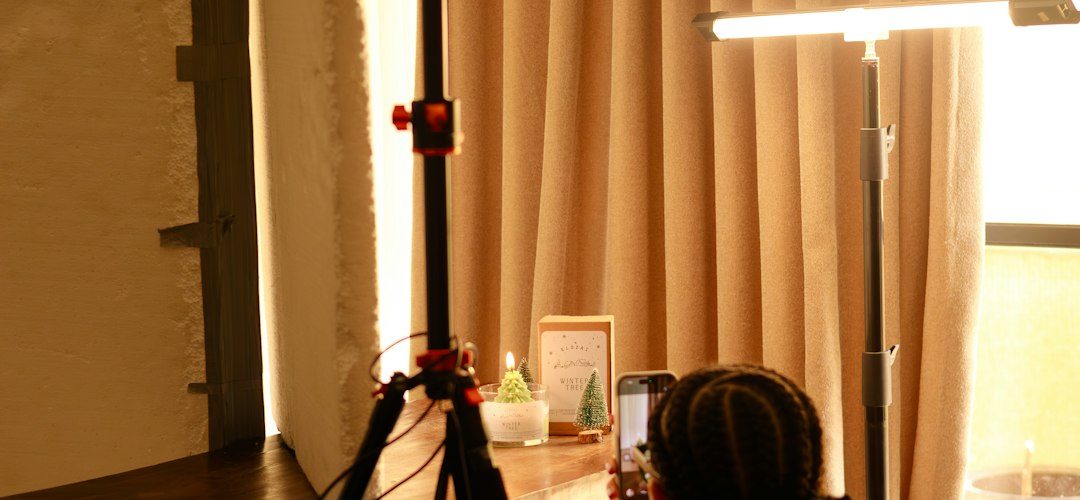
You do not need a truck full of lights. You can learn with one lamp and a white wall. You can bounce light with foam board. You can soften it with a thin curtain.
Lighting is not about buying more. It is about seeing better.
Sound Matters More Than You Think
People will forgive imperfect video. They will not forgive terrible sound.
If the audio is noisy, windy, or hard to hear, viewers leave fast. So your course must teach sound. Yes, even if you only want to make pretty travel videos.
You should learn about:
- Lavalier microphones.
- Shotgun microphones.
- Recording quiet room tone.
- Reducing echo.
- Avoiding wind noise.
- Setting audio levels.
A good course will show common mistakes. Like filming near a loud fridge. Or recording beside a busy road. Or putting the microphone too far away.
Here is a simple rule. Get the mic close. Your ears will thank you.
Storytelling: The Heart of Videography
A video is not just pretty pictures. It needs a reason to exist. That reason is the story.
Storytelling does not mean you need dragons, spaceships, or dramatic music. It can be simple.
A story can be:
- A baker making bread.
- A dog learning a trick.
- A couple getting married.
- A product solving a problem.
- A traveler finding a hidden café.
Great courses teach structure. They show how to make a beginning, middle, and end. They explain pacing. They teach you how to build emotion.
For example, a coffee video could start with sleepy morning light. Then show grinding beans. Then water pouring. Then the first sip. Simple. Clear. Cozy.
Story makes people care. Without story, your video is just moving wallpaper.
Editing: Where the Magic Gets Polished
Editing is where your video becomes a finished piece. It is where you cut the boring parts. It is where you shape the rhythm. It is where the “almost good” turns into “wow, nice!”
A strong videography course should teach an editing workflow. It should not just throw buttons at you.
You should learn how to:
- Organize footage.
- Choose the best clips.
- Cut on action.
- Use music well.
- Add simple titles.
- Fix color.
- Improve audio.
- Export for different platforms.
Editing software can feel like a spaceship cockpit at first. That is normal. Start with basic cuts. Then add music. Then learn color. Then try effects later.
Clean editing beats flashy editing almost every time.
Types of Videography Courses
There are many course styles. Each one has pros and cons. Pick the one that fits your life.
Online Self Paced Courses
These are great if you like learning in pajamas. You can pause, rewind, and repeat lessons. They are often affordable too.
Best for:
- Busy people.
- Beginners.
- People who like flexible learning.
Live Online Classes
These happen at set times. You can ask questions. You may get feedback from a teacher. This can keep you motivated.
Best for:
- People who need structure.
- Students who like interaction.
- Anyone who wants deadlines.
In Person Workshops
These are hands on. You get to touch gear, set up lights, and work with others. They can be fun and fast.
Best for:
- People who learn by doing.
- Small business owners.
- Future freelancers.
University or Film School Programs
These go deeper. They may cover film theory, production, business, and advanced editing. They also take more time and money.
Best for:
- Career focused students.
- People who want a full education path.
- Those who enjoy long term study.
How to Choose the Right Course
Before you buy or enroll, ask yourself a few simple questions.
- What do I want to film? Weddings, YouTube, travel, products, events, or short films?
- What is my skill level? Total beginner, hobbyist, or advanced learner?
- What gear do I have? Phone, mirrorless camera, DSLR, or cinema camera?
- How much time can I spend? One hour a week or one hour a day?
- Do I need feedback? Some people learn faster with guidance.
- What is my budget? Free videos can help, but paid courses often have better structure.
Also, check the course sample lessons. If the teacher makes you bored in five minutes, run away. Well, do not actually run. Just close the tab.
Beginner Gear You Actually Need
Gear talk can get wild. People love to argue about cameras. But you do not need the newest shiny machine to learn.
Start with this simple kit:
- A camera or phone: Anything that shoots decent video.
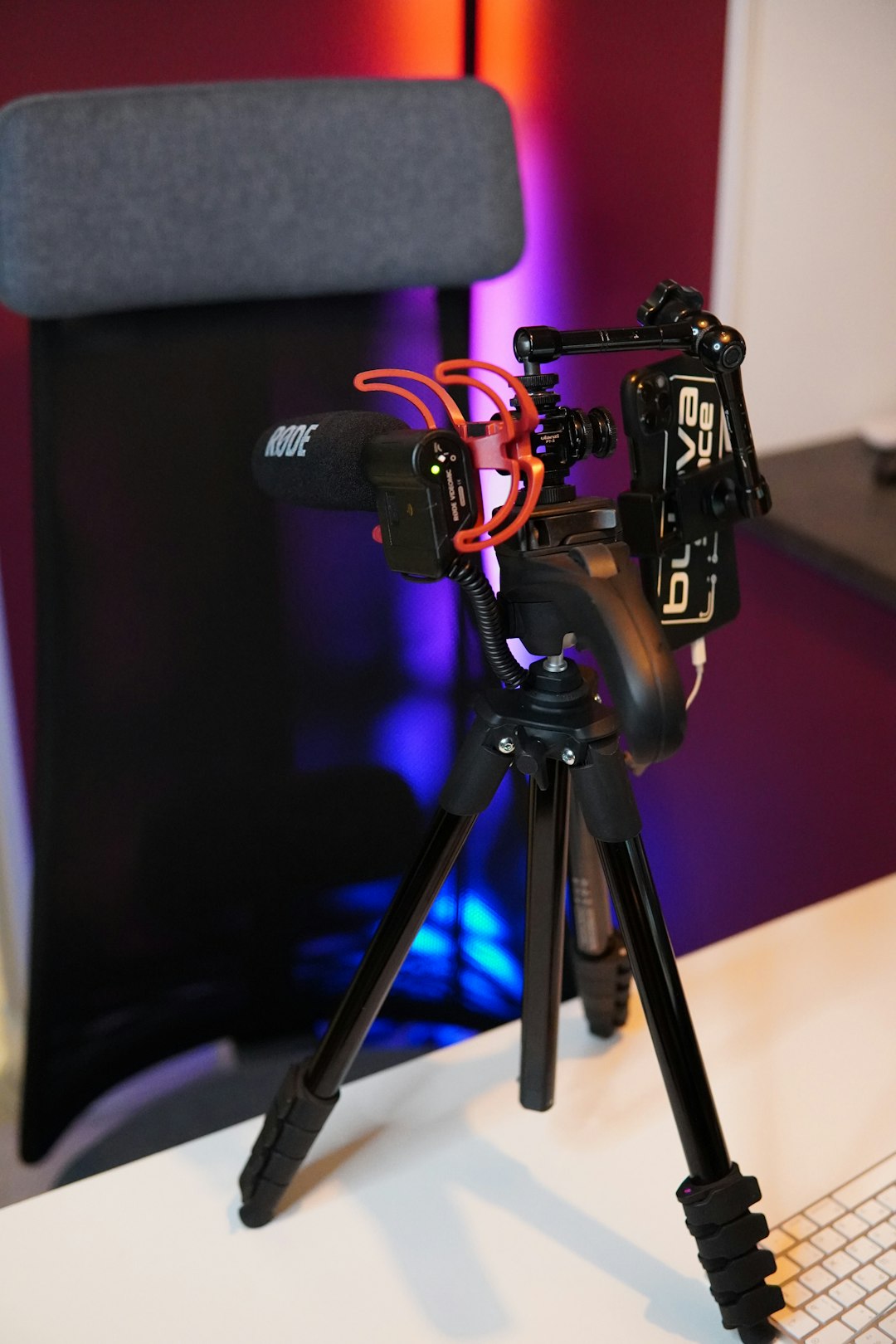
- A tripod: This keeps shots steady.
- A microphone: Better sound makes a huge difference.
- A small light: Useful for indoor filming.
- Extra storage: Video files are hungry little monsters.
- Editing software: Choose one and stick with it for a while.
Buy slowly. Learn what you need first. Your skills should guide your purchases.
Practice Projects for New Videographers
A course without practice is like a gym membership without workouts. You need reps.
Try these fun projects:
- One minute room tour: Practice smooth movement and clean shots.
- Mini cooking video: Practice close ups and pacing.
- Interview a friend: Practice lighting and audio.
- Product video: Practice detail shots and mood.
- Day in the life video: Practice storytelling.
- Silent short film: Practice visual emotion.
Keep each project short. Short videos are easier to finish. Finished work teaches more than perfect plans.
Common Mistakes to Avoid
Everyone makes mistakes. That is part of the fun. But some mistakes are easy to avoid once you know them.
- Filming everything from eye level. Try high and low angles.
- Ignoring sound. Bad audio hurts.
- Overusing slow motion. A little is cool. Too much is soup.
- Using random music. Music should match the mood.
- Not planning shots. A tiny shot list saves time.
- Overediting. Too many effects can feel messy.
Remember, simple is strong. Clear beats clever when you are learning.
Final Take
Mastering the lens is not about being perfect. It is about noticing light, sound, movement, and story. It is about learning one skill at a time.
The best videography course will make the process feel possible. It will show you what to do next. It will give you practice, structure, and confidence.
So pick a course. Charge your battery. Clear your memory card. Then go film something small today.
Your first video may be rough. That is fine. Your tenth will be better. Your hundredth may surprise you.
Press record. Learn fast. Have fun. The lens is waiting.