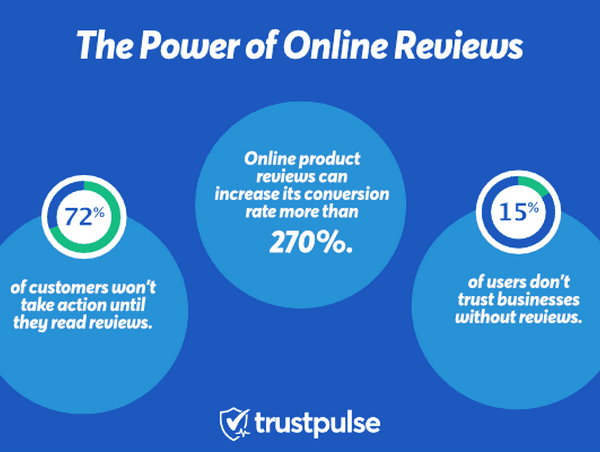
The best reviews help buyers make a decision in under one minute. They show who used the product, what changed, what failed, and whether it is worth paying for. That matters because 75% of consumers “always” or “regularly” read online reviews before choosing a business [source: BrightLocal].
TLDR: A great review is specific, balanced, and honest about tradeoffs. Instead of saying, “This app is good,” say, “This budgeting app helped me cut food delivery spending by 18% in one month, but bank syncing failed twice.” For example, a shopper comparing two $120 headphones will trust a review that mentions battery life, comfort after two hours, and return issues. Strong reviews save time and reduce buyer regret.
What Makes a Review Actually Useful?
A useful review does not sound like an ad. It sounds like a real person who paid attention. The strongest reviews include:
- Use case: Who used it, and why?
- Time frame: Was it tested for one day or three months?
- Specific results: Faster setup, fewer bugs, lower costs, better comfort.
- Clear flaws: No product is perfect. Say what was annoying.
- Final recommendation: Who should buy it, skip it, or wait?
Below are four review examples you can model for products, apps, and online services.

1. Product Review Example: Noise-Canceling Headphones
Rating: 4.5 out of 5
“I used these headphones for three weeks during work calls, train rides, and evening walks. The noise canceling is strong enough to mute office chatter and low train rumble. Voices still come through a little, which is normal at this price.”
“Battery life was the best part. I charged them on Monday and still had 20% left by Friday afternoon after about four hours of daily use. The ear cups felt soft for the first hour, but after two hours, they pressed on my jaw. Not painful, just annoying.”
“Call quality was fine indoors. Outside, wind made me sound muffled. The case also feels cheap for a $180 product. Still, I would buy them again for commuting and focused work.”
Why this works: It gives a time frame, real settings, and clear tradeoffs. It praises battery life but does not hide comfort issues. That balance builds trust.
2. App Review Example: Personal Budgeting App
Rating: 4 out of 5
“I tried this budgeting app for 30 days after realizing my small purchases were getting out of hand. Setup took about 12 minutes. Linking my main bank account was smooth, but my credit union failed twice before it worked.”
“The app helped me spot a $46 monthly subscription I had forgotten about. It also showed that I spent $312 on food delivery in one month. That hurt to see, but it worked. The next month, I cut that number to $198.”
“The catch is the notifications. I got nine alerts in one day, and three were not useful. Turning them down took too many taps. Still, the spending charts are clear, and the weekly summary is helpful.”
Why this works: This review connects features to a real result. A $114 monthly savings example is more useful than “nice design.” It also names a common pain point: too many alerts.
3. Online Service Review Example: Meal Kit Delivery
Rating: 3.8 out of 5
“I ordered three meal kits per week for one month for a two-person household. The recipes were easy to follow, and most meals took 25 to 35 minutes. The best one was a spicy chicken rice bowl. I would cook it again.”
“Portions were fair, but not huge. If you eat a lot after workouts, expect to add a side. Produce was fresh in three of four boxes. One box had wilted cilantro and a cracked sauce cup. Support credited $10 after I sent a photo.”
“Honestly, it feels like the service is best for busy people who hate planning dinner, not for people trying to save money. My grocery store version of the same meals would cost less.”
Why this works: It explains value, not just taste. It covers delivery quality, support, prep time, and cost. That is exactly what a future customer wants to know.
4. Online Software Review Example: Project Management Tool
Rating: 4.2 out of 5
“Our five-person marketing team used this project management tool for six weeks. We moved from spreadsheets because tasks kept slipping. After setup, overdue tasks dropped from around 14 per week to five.”
“The board view is simple. Dragging tasks between stages feels quick. Automations saved time too. For example, when a designer marked a task as done, the copywriter got assigned automatically.”
“It drove me slightly mad that exporting reports took about 20 seconds longer than expected, and the default email updates were too noisy. We had to turn off most alerts. The mobile app is also weaker than the desktop version.”
“Still, for small teams with repeat tasks, it is worth the monthly fee. Solo users may find it too much.”
Why this works: It gives team size, time used, and measurable change. It also warns solo users. A review should help the right buyer say yes and the wrong buyer walk away.

Quick Template for Writing Better Reviews
Use this simple structure when you write your own:
- Start with the verdict: Say if you recommend it.
- Explain your use case: Mention your goal or problem.
- Add numbers: Time saved, money saved, days tested, bugs found.
- List one flaw: Real criticism makes praise stronger.
- Name the best fit: Say who should use it.
Great reviews are not long for the sake of it. They are clear. They help people avoid bad buys and spot good ones faster. If your review answers, “Would this work for someone like me?”, you have done it right.