T-Mobile does not generally use Verizon towers; it runs its own nationwide wireless network, with its own spectrum, antennas, radios, core systems, and roaming deals. T-Mobile says its 5G network covers more than 330 million people in the United States, which shows how much of its service comes from its own buildout rather than another carrier’s network [source: T-Mobile]. Verizon and T-Mobile may place equipment on the same physical tower, but that does not mean one is using the other’s network.
TLDR: T-Mobile usually does not use Verizon towers in the way many people mean it. A T-Mobile customer in a suburban area may see strong service from a tower that also has Verizon antennas on it, but the phone is still connecting to T-Mobile equipment. In rural dead zones, limited roaming can happen, yet it is not the same as full Verizon network access. For example, if a person drives 40 miles outside a metro area and suddenly sees “roaming,” that may mean a partner network is filling a gap, not that T-Mobile has switched to Verizon everywhere.
What “Using Verizon Towers” Really Means
The phrase “uses Verizon towers” causes a lot of confusion. It can mean several different things:
- Using the same physical tower structure
- Using Verizon’s antennas and radios
- Roaming on Verizon’s mobile network
- Sharing fiber, power, or tower space
Only one of those would mean T-Mobile is truly using Verizon’s network. In most cases, it is not.
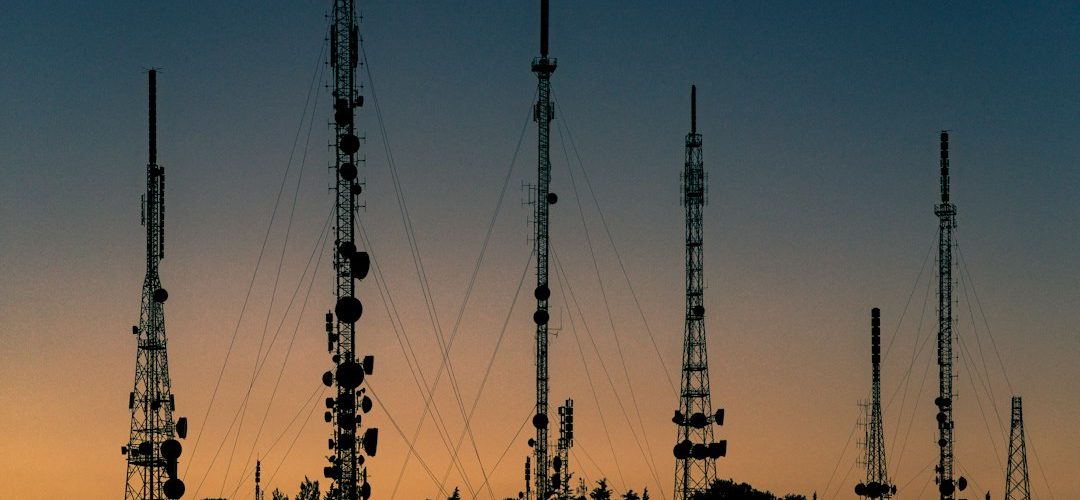
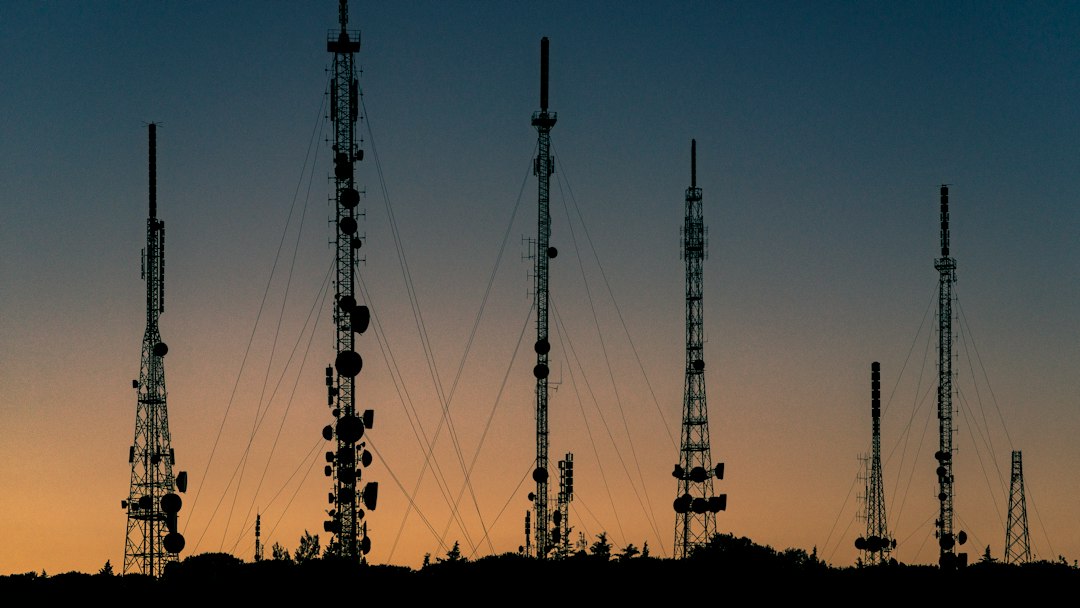
A cell tower is often just real estate in the sky. It may be owned by a tower company such as American Tower, Crown Castle, or SBA Communications. Verizon, T-Mobile, AT&T, and sometimes smaller carriers can all rent space on the same structure. Each carrier usually installs its own antennas, radios, cables, cabinets, and backhaul links.
So a single tower can serve several carriers at once. That makes it easy to assume the networks are shared. They are usually not.
Does T-Mobile Share Towers With Verizon?
Yes, T-Mobile can share the same tower site with Verizon. That is called colocation. It is common across the wireless industry because building new towers is slow, expensive, and often blocked by local zoning rules.
Colocation does not mean T-Mobile customers are using Verizon service. It means both companies may rent vertical space on the same pole, rooftop, water tower, or steel lattice tower.
The setup might look like this:
- Verizon antennas sit near the top of the tower.
- T-Mobile antennas sit on a lower rack.
- Each carrier has separate radios and network gear.
- Each carrier connects back to its own core network.
- Phones choose the carrier network based on the SIM or eSIM profile.
The catch is that coverage apps and tower maps can make this feel messier than it is. A map may show one tower pin, but not clearly show which carrier owns which gear. Expect to waste time checking multiple sources if precise tower ownership matters.
Does T-Mobile Roam on Verizon?
Usually, no. T-Mobile does not provide standard nationwide roaming on Verizon for normal customer use. T-Mobile has its own roaming agreements, but those agreements are limited and can change by area, plan, device, and network technology.
In the past, U.S. carriers used roaming more often to patch wide rural gaps. Today, major carriers prefer to keep customers on their own networks. Roaming costs money. It can also come with speed limits, data caps, and feature restrictions.
T-Mobile’s current rural coverage is helped by its 600 MHz low-band spectrum. Low-band signals travel farther and pass through buildings better than many higher-frequency bands. After buying Sprint, T-Mobile also gained major mid-band 2.5 GHz spectrum, which became central to its faster 5G coverage. The FCC approved the T-Mobile and Sprint merger in 2019 [source: FCC].
Still, rural gaps exist. Mountains, forests, long highways, and remote farms can still cause weak signal. In certain places, a phone may roam on a partner network. That partner is not automatically Verizon.
Why T-Mobile and Verizon Networks Differ
T-Mobile and Verizon run separate networks because each owns or controls different spectrum licenses. Spectrum is the invisible radio capacity that phones use to connect. Without it, towers are just metal and hardware.
Verizon has long been known for broad LTE coverage and strong rural reach. T-Mobile has pushed hard on 5G, especially with low-band and mid-band spectrum. The result is not a simple “one is better everywhere” answer. One may win in a city block, while the other wins five miles away.
Key differences include:
- Spectrum bands: T-Mobile uses major 600 MHz, 1900 MHz, PCS, AWS, and 2.5 GHz holdings, among others.
- 5G setup: T-Mobile relies heavily on low-band and mid-band 5G for broad coverage and speed.
- Rural density: Verizon has deep rural infrastructure in many states.
- Site placement: Tower location can matter more than brand name.
- Backhaul: Fiber or microwave links affect real-world speed.
What Happens When a T-Mobile Phone Has No Signal?
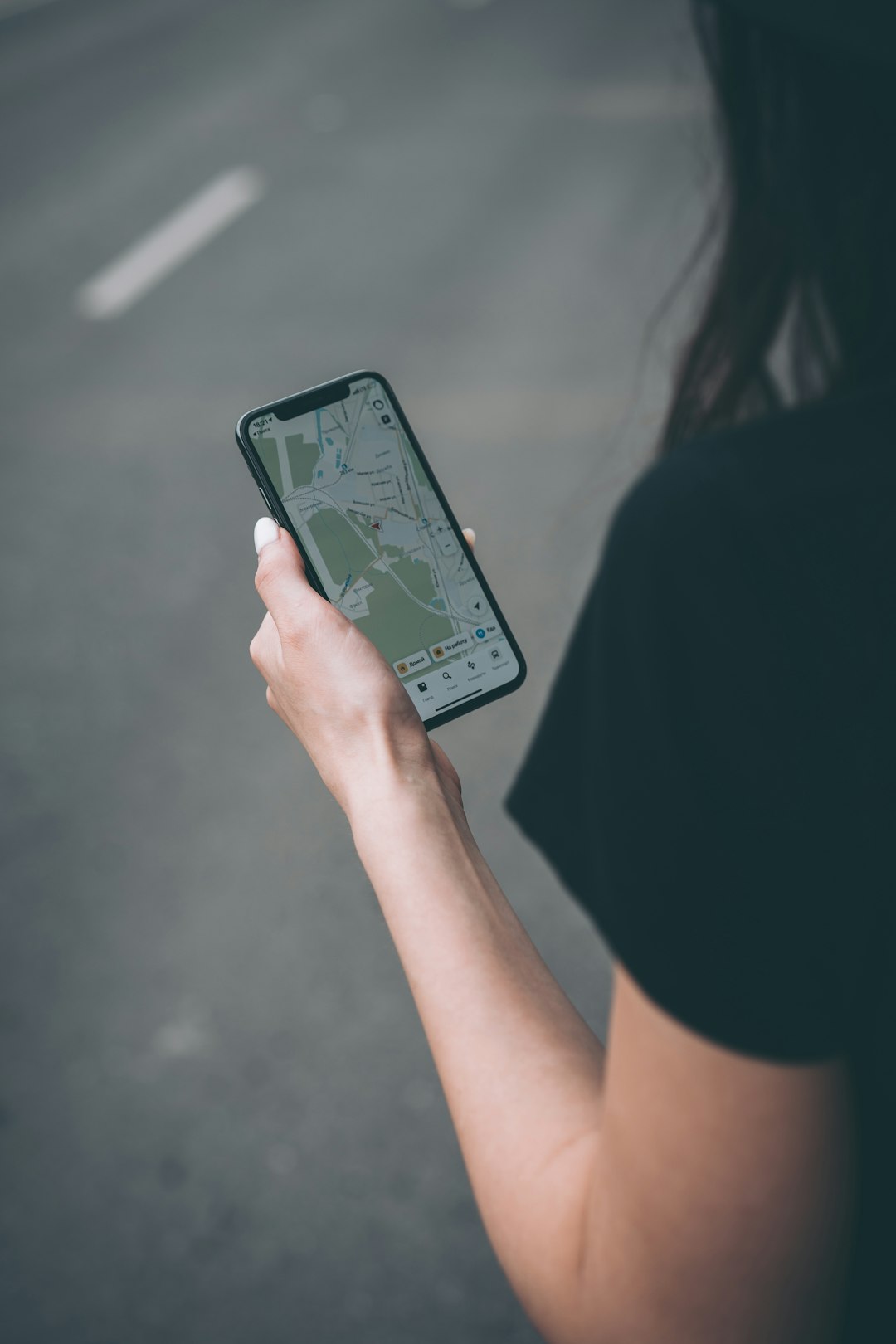
When a T-Mobile phone loses signal, it first searches for a usable T-Mobile connection. That may include LTE, 5G, or older supported fallback options. If no native signal is available, the device may search for allowed roaming partners.
That does not mean it can freely attach to any Verizon tower nearby. Carrier access is controlled by network agreements and SIM permissions. A tower may be physically close, but the phone cannot use it unless the network allows registration.
Honestly, it feels like this should be more transparent on phones. A customer may see one bar, “roaming,” or no service with little explanation. The phone rarely says, “This tower is blocked because the carrier has no agreement here.” That would save many people a few angry minutes in a parking lot.
What About MVNOs and Prepaid Brands?
MVNOs add another layer of confusion. A mobile virtual network operator sells wireless service but uses another company’s network. For example, Mint Mobile uses T-Mobile’s network, while Visible uses Verizon’s network.
So if a person asks whether “T-Mobile uses Verizon towers,” they may actually be thinking about a budget carrier. The answer depends on the brand. Some prepaid brands run on T-Mobile. Some run on Verizon. Some support multiple networks but assign one based on the plan or SIM.
A T-Mobile-owned brand, such as Metro by T-Mobile, uses the T-Mobile network. It does not become a Verizon service just because a Verizon antenna is on the same tower.
How to Check Which Network Is Being Used
A customer can check the actual network in several ways. None are perfect, but together they give a clearer picture.
- Check the phone status screen. Some Android phones show network operator details.
- Use field test mode. iPhones and Android devices can show signal data, bands, and cell IDs.
- Try coverage maps. Carrier maps show expected service, not a guarantee.
- Use crowdsource apps. Tools like CellMapper can show nearby sites and bands.
- Test in the exact location. Real-world testing beats any map.
CellMapper and similar tools can be useful, but they are not official carrier records. Data may be old, mislabeled, or missing. Still, they often help identify whether a phone is connected to T-Mobile band 71, band 41, or another signal.
Why Carriers Do Not Simply Share Everything
Full network sharing sounds efficient, but it is complicated. Carriers compete on coverage, speed, reliability, and capacity. If every company used the same radios and same core network, their services would feel much more alike.
There are also technical and legal barriers. Spectrum licenses are issued to specific companies for specific areas and bands. Network equipment must be tuned and managed carefully. Emergency calling, lawful access rules, billing systems, and security controls all add more limits.
Sharing a tower structure is simple. Sharing the actual mobile network is much harder.
Bottom Line
T-Mobile does not normally use Verizon towers as its network. It may share physical tower locations with Verizon, but the equipment and network path are separate. Roaming can happen in limited cases, yet it is not broad Verizon access. For most customers, the phone connects to T-Mobile-owned or T-Mobile-operated network equipment, even when Verizon gear sits on the same tower.
FAQ
Does T-Mobile use Verizon towers?
Not usually. T-Mobile uses its own network equipment. It may share the same physical tower site with Verizon, but that is not the same as using Verizon’s network.
Can a T-Mobile phone connect to Verizon?
Only in very limited cases if a roaming agreement allows it. Normal T-Mobile service does not include full access to Verizon’s network.
Why do T-Mobile and Verizon appear on the same tower?
They may both rent space from the same tower owner. Each carrier usually installs separate antennas, radios, and network gear.
Is T-Mobile coverage better than Verizon?
It depends on the exact location. T-Mobile often performs strongly in 5G areas, while Verizon may be stronger in some rural regions. Local testing is the best answer.
Do T-Mobile MVNOs use Verizon towers?
T-Mobile-based MVNOs use the T-Mobile network. Verizon-based MVNOs use Verizon. The brand and SIM determine the network, not the nearest tower structure.
How can someone tell which tower a phone is using?
Field test menus, Android signal apps, and crowdsource tower maps can help. Results may not be perfect, but they can show bands, signal strength, and likely tower locations.