Use Talkwalker Alerts if Google Alerts feels too quiet, too slow, or too random for brand mention monitoring. Google Alerts is still useful. It is free, simple, and takes seconds to set up. But Talkwalker Alerts often feels better for people who want cleaner brand tracking without paying for a full social listening tool.
TLDR: Talkwalker Alerts is a strong free alternative to Google Alerts for tracking brand mentions, competitor names, product names, and key topics. For example, a small coffee brand could track “Bean & Bloom”, its CEO name, and a rival shop, then get daily email alerts when new pages mention them. If Google Alerts catches 6 mentions in a month but Talkwalker catches 10, that is a 67% lift in useful signals. Use both if your brand matters. They are free, and overlap is your friend.
Talkwalker Alerts vs Google Alerts: the simple answer
Both tools do the same basic job.
You type in a keyword. The tool scans the web. Then it sends you an alert when it finds something new.
That keyword can be:
- Your brand name
- Your product name
- Your founder or CEO name
- Your competitor names
- Your slogan
- A misspelled brand name
- A campaign hashtag
Google Alerts is the old favorite. It is fast to set up. It works with Gmail. It is perfect for casual tracking.
Talkwalker Alerts feels more focused on monitoring. It gives you solid filtering options. It can be better when you want to catch more mentions from news sites, blogs, forums, and web pages.
The catch is simple: neither tool is perfect. Expect missed mentions. Expect late alerts. Expect some weird results. Free tools are helpful, not magic.
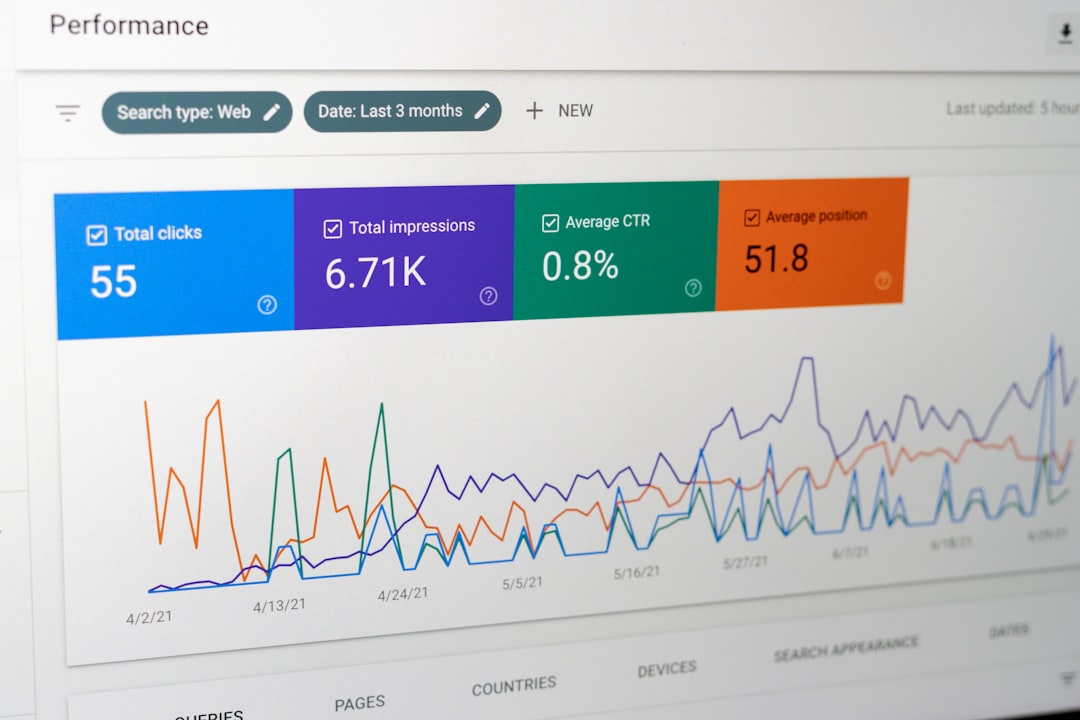
What is Google Alerts?
Google Alerts is a free tool from Google. You enter a search term. Google sends you new results by email or RSS.
You can choose:
- How often you want alerts
- Sources, such as news, blogs, web, video, or books
- Language
- Region
- Result quality
- Email or RSS delivery
It is great for quick checks. If you only need a simple brand alert, Google Alerts may be enough.
But many users complain about the same thing. It can be oddly quiet. A blog post mentions your brand, and Google Alerts says nothing. Then, three days later, it sends a random page you already saw last week. Honestly, it feels like the tool sometimes takes a coffee break without telling you.
What is Talkwalker Alerts?
Talkwalker Alerts is also free. It is made by Talkwalker, a social listening and consumer intelligence company.
The free alert tool lets you monitor keywords across online sources. You can get alerts by email or RSS. You can filter by language, result type, and frequency.
It is not the same as the paid Talkwalker platform. Do not expect deep social analytics, sentiment charts, TikTok tracking, or fancy reports. This is a simple alert tool.
Still, for a free product, it is useful. It can be a smart backup for Google Alerts. It can also be your main tool if you want a cleaner alert setup.
Where Talkwalker Alerts wins
1. It feels built for monitoring.
Google Alerts feels like a search feature that sends emails. Talkwalker Alerts feels more like a brand tracking tool. Small difference. Big mood.
2. It can catch mentions Google misses.
No free tool sees everything. But using Talkwalker next to Google often gives you more coverage. That matters if one missed mention could turn into a PR issue.
3. The filters are easy to understand.
You can pick the result type, language, and alert frequency. That helps reduce junk alerts.
4. RSS support is handy.
If you use Feedly, Slack workflows, or a content dashboard, RSS is your friend. You can route alerts into your daily routine.
Where Google Alerts wins
1. It is very easy.
If you have a Google account, setup is painless. You can create an alert in under a minute.
2. It works well for broad web tracking.
Google owns the world’s most famous search engine. So yes, it has reach. For many people, that is enough.
3. It is familiar.
Your team may already know it. No training needed. No budget request. No awkward “please approve this tool” email.
4. It is good for personal alerts.
Want to track your name, book title, podcast, or local club? Google Alerts is fine.

Best use cases for Talkwalker Alerts
Talkwalker Alerts is a good fit if you care about brand mentions but do not need a paid suite yet.
Use it for:
- Brand monitoring: Track your company name and product names.
- PR tracking: See when journalists or blogs mention you.
- Competitor tracking: Watch rival launches, reviews, and news.
- Reputation checks: Catch complaints before they spread.
- Content ideas: See what people write about your niche.
- Link building: Find unlinked brand mentions and ask for a link.
Here is a simple user case.
A small skincare brand sets up five alerts:
- Brand name
- Founder name
- Best-selling product name
- Main competitor name
- “natural face serum review”
After 30 days, it gets 18 useful alerts. Four are review mentions. Three are competitor launch posts. Two are unlinked brand mentions. One is a negative forum comment.
That is not just noise. That is action. The team can reply, thank reviewers, ask for links, and fix issues.
Best use cases for Google Alerts
Google Alerts works well for basic tracking. It is especially good when you want a fast answer with little setup.
Use it for:
- Tracking your personal name
- Watching simple brand mentions
- Following a news topic
- Monitoring a book, film, or event name
- Keeping an eye on a local business
If you only need one alert for your brand name, Google Alerts may do the job. If you need more confidence, add Talkwalker Alerts too.
How to set up better alerts
Bad alerts create noise. Good alerts save time.
Use these tips with both tools:
- Use quotes: Search “Blue River Coffee”, not Blue River Coffee.
- Track misspellings: People spell brand names wrong. A lot.
- Add product names: Your product may be mentioned without your brand.
- Track key people: Founders and executives get mentioned too.
- Use competitor names: This shows market chatter.
- Cut junk: Add extra words to make alerts more specific.
For example, “Orbit CRM” is better than Orbit. The word “orbit” could bring space news, science pages, and random school projects. That gets old fast.
Can Talkwalker Alerts replace Google Alerts?
Yes, for many users. But the better answer is this: use both.
They are free. They take minutes to set up. They do not always find the same results. That overlap gives you better coverage.
Think of it like using two smoke alarms. One is good. Two is safer. If your brand reputation matters, that extra alert is worth it.

Which one should you choose?
Pick Google Alerts if you want the easiest tool possible. It is fine for light tracking. It is also great for personal use.
Pick Talkwalker Alerts if you want a free Google Alerts alternative that feels more suited to brand monitoring. It is useful for PR, reputation checks, and competitor tracking.
Pick both if you run a business, manage PR, publish content, or care about online mentions. This is the safest free setup.
Final verdict
Talkwalker Alerts is one of the best free alternatives to Google Alerts for monitoring brand mentions. It is simple, useful, and quick to set up. Google Alerts is still worth using, but it should not be your only net.
If you only check mentions once a month, missed alerts may not hurt. If one bad review, viral complaint, or press mention matters, add Talkwalker Alerts today. It takes less time than making a sandwich. And unlike your sandwich, it keeps working after lunch.