Outbound automation works best when it removes repetitive work without removing human judgment. It helps sales teams find prospects, send targeted emails, follow up on time, update records, and move qualified leads toward a serious buying conversation. The goal is not to blast more messages. The goal is to make every step faster, cleaner, and easier to measure.
TLDR: Outbound automation streamlines prospecting, email outreach, lead follow-ups, sales workflows, and customer acquisition by turning manual sales tasks into structured, repeatable processes. For example, a five-person sales team that sends 1,500 targeted emails per month may cut manual admin time by 35% and increase booked meetings by 18% after using automated sequencing and lead scoring. The biggest gains come from cleaner data, faster follow-ups, and better timing. Automation should support sales reps, not replace thoughtful selling.
What outbound automation actually does
Outbound automation connects the moving parts of sales outreach. It can help teams build prospect lists, enrich contact data, send personalized messages, schedule follow-ups, assign leads, update a CRM, and track performance. Done well, it creates a reliable system instead of a messy chain of reminders, spreadsheets, and missed tasks.
That matters because outbound sales breaks down fast when people rely on memory. One rep forgets a follow-up. Another writes the same email twenty times. A manager has no clear view of which campaign is working. Honestly, it feels like watching revenue leak out through tiny cracks that nobody has time to fix.
How it improves prospecting
Prospecting is often the most painful part of outbound sales. Teams need the right companies, the right contacts, and the right signals. Automation helps by filtering opportunities based on firmographic data, job titles, industry, revenue, headcount, location, hiring activity, technology used, or recent company events.
A strong automation setup can:
- Identify target accounts that match an ideal customer profile.
- Enrich contact records with emails, roles, company size, and social profiles.
- Score prospects based on fit and buying signals.
- Remove poor matches before they waste sales time.
- Send qualified leads to the right rep based on territory, segment, or account value.
This makes prospecting less random. A rep should not spend half the morning checking LinkedIn profiles, copying company names, and guessing who to contact. That is slow. Worse, it creates uneven data. Automation brings order to the process and lets salespeople spend more time on research that actually helps the conversation.
Email outreach becomes more consistent
Email outreach is where outbound automation is most visible. A modern system can send message sequences based on timing, behavior, and lead status. It can also pause outreach when someone replies, clicks a booking link, or becomes disqualified.
The best teams do not use automation to send bland templates to everyone. They use it to build a strong baseline. Then they add smart personalization where it counts. For example, an email can include the prospect’s industry, company name, pain point, relevant case study, or recent trigger event.
Good automated outreach still sounds human. It is brief. It is specific. It gives the recipient a clear reason to care. It also avoids fake familiarity, inflated claims, and awkward personalization that makes the sender look careless.
A simple automated email sequence might include:
- Day 1: Initial email with a specific business problem.
- Day 3: Follow-up with a short proof point or customer result.
- Day 7: Value email with a useful insight or resource.
- Day 12: Final email asking whether the topic is worth closing or revisiting later.
This structure keeps outreach steady. It also prevents reps from over-contacting prospects or giving up too soon.
Lead follow-ups happen at the right time
Speed matters. If a prospect opens three emails, clicks a pricing page, or downloads a guide, the next action should not happen two weeks later. Automation can alert the right rep, create a task, change the lead score, or trigger a more direct follow-up.
It drives me crazy that some teams still treat every lead the same after clear buying signals appear. A cold lead and an engaged lead should not sit in the same queue. Automation fixes this by separating interest levels and pushing urgent opportunities forward.
Follow-up automation can include:
- Behavior-based alerts when a prospect takes a key action.
- Automatic task creation for calls, emails, or LinkedIn touchpoints.
- Lead scoring updates based on engagement and fit.
- Reactivation campaigns for quiet leads after 30, 60, or 90 days.
- Meeting reminders to reduce no-shows and missed handoffs.

Sales workflows become cleaner and easier to manage
Sales workflows often fail because too many small actions depend on manual input. Reps forget to update lead stages. Notes are incomplete. Managers spend hours asking for pipeline updates that should already exist. Automation reduces that friction.
For example, when a prospect books a demo, the system can update the CRM stage, assign the opportunity, notify the account executive, add the meeting to the calendar, and send a confirmation email. If the prospect misses the call, a no-show sequence can start automatically.
This creates a cleaner operating rhythm. Managers can see where leads are coming from, which reps are following up, and which campaigns are generating meetings. Reps get fewer admin tasks. Prospects get a more professional experience.
Customer acquisition becomes more measurable
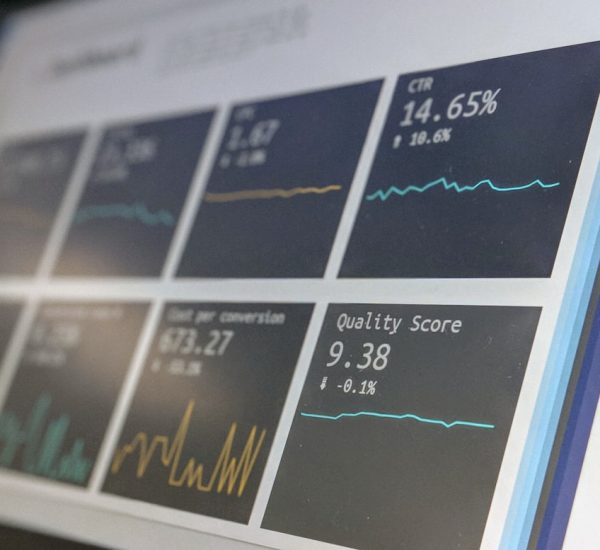
Outbound automation improves customer acquisition because it makes the full funnel easier to track. Teams can see which audience segments respond, which messages get replies, which follow-ups book meetings, and which campaigns lead to closed revenue.
Key metrics include:
- Contact to reply rate
- Reply to meeting rate
- Meeting to opportunity rate
- Opportunity to customer rate
- Cost per qualified meeting
- Revenue by outbound campaign
These numbers help teams stop guessing. If one segment has a 9% reply rate and another has 1.5%, the decision is clear. If a subject line improves open rates but does not improve replies, it may be creating curiosity without intent. Automation surfaces these patterns faster.
Where automation can go wrong
Outbound automation is powerful, but it can cause damage when used carelessly. Poor data creates bounced emails. Weak targeting annoys people. Overly aggressive sequences hurt brand trust. Generic personalization makes a company look lazy.
The most common mistakes are easy to spot:
- Sending too many emails without clear relevance.
- Using outdated contact data that increases bounce rates.
- Ignoring compliance rules such as consent, opt-out requests, and regional privacy laws.
- Automating every message when a manual note would perform better.
- Measuring vanity metrics instead of qualified meetings and revenue.
A serious outbound program needs safeguards. Set sending limits. Clean lists often. Honor unsubscribes immediately. Review copy before launch. Monitor complaint rates. Automation should make outreach more disciplined, not more careless.
What a practical setup looks like
A good outbound automation system does not have to be complicated. Start with the core process. Define your ideal customer profile. Build clean lead lists. Create a few segmented email sequences. Connect the system to your CRM. Set clear lead scoring rules. Then review results every week.
A practical sales automation stack usually includes:
- A CRM for contact, account, and opportunity management.
- A prospecting tool for list building and enrichment.
- An outreach platform for email sequences and follow-ups.
- A scheduling tool to reduce meeting friction.
- Reporting tools to connect activity with revenue.
Start small. Automate one clear workflow first, such as cold email follow-ups for a specific market segment. Measure response quality, meeting volume, and conversion to opportunity. Then expand only after the process proves useful.
The real value is focus
Outbound automation is not about removing people from sales. It is about giving people better focus. Reps should spend less time copying data and more time understanding accounts. Managers should spend less time chasing updates and more time improving strategy. Prospects should receive outreach that is timely, relevant, and respectful.
When outbound automation is built with clean data, clear rules, and strong messaging, it turns prospecting and follow-up into a controlled system. That system produces more consistent pipeline, better customer acquisition data, and fewer wasted hours. The result is simple: sales teams can act faster, learn faster, and sell with more precision.