Every time you pick up a coffee mug, climb stairs, type a message, or take a step, your body relies on a beautifully coordinated system of muscles that either bend or straighten joints. These two broad muscle actions are commonly described as flexion and extension, performed by flexor and extensor muscles. Understanding the difference between them makes human movement easier to visualize, whether you are studying anatomy, exercising, recovering from an injury, or simply curious about how your body works.
TLDR: Flexor muscles decrease the angle between bones at a joint, while extensor muscles increase that angle. They usually work in pairs: when one contracts, the other relaxes. Common flexors include the biceps brachii and hamstrings, while common extensors include the triceps brachii and quadriceps. Together, they create smooth, controlled movement throughout the body.
What Are Flexor Muscles?
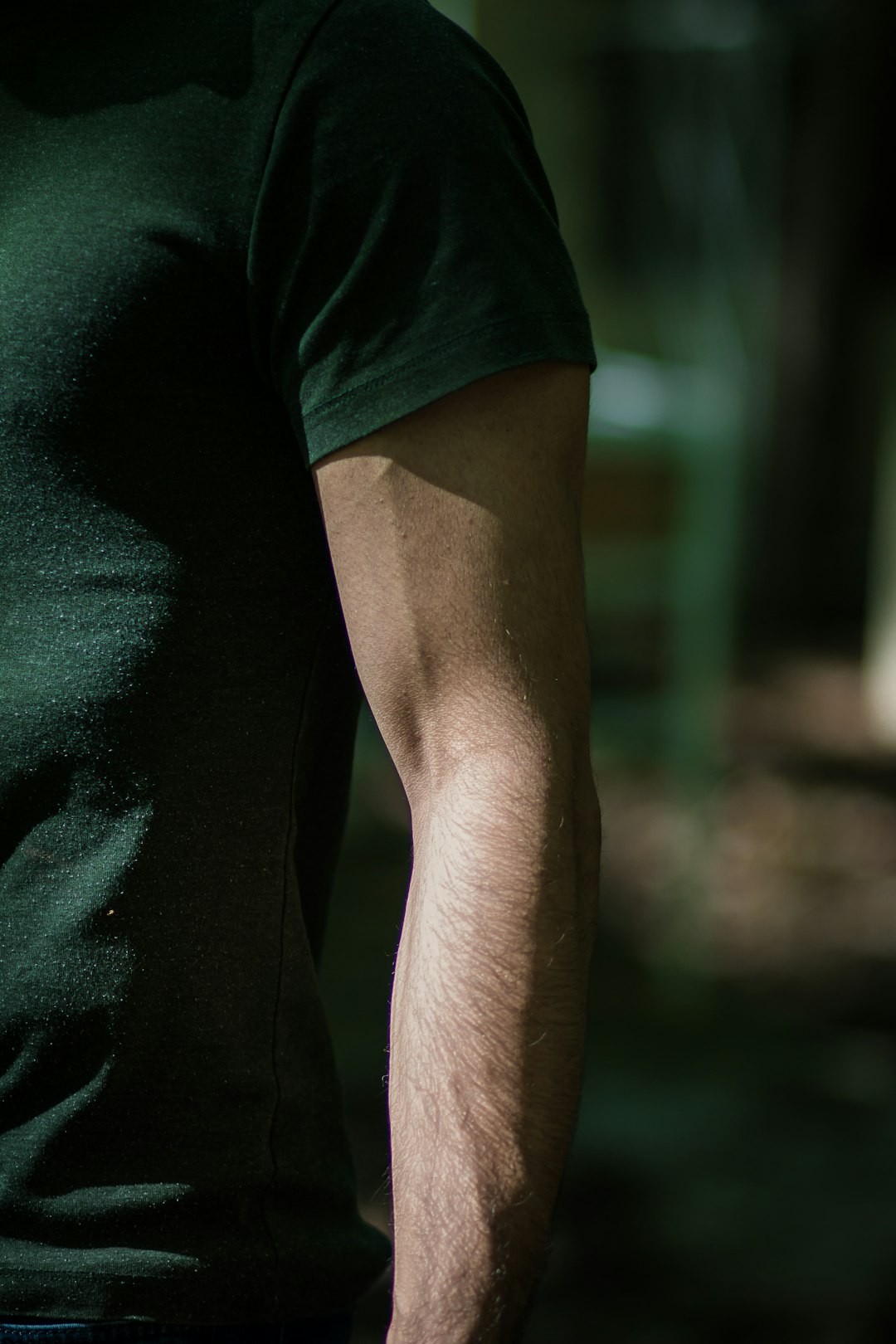
Flexor muscles are muscles that produce flexion, a movement that reduces the angle between two bones. A simple example is bending your elbow: your forearm moves closer to your upper arm, and the angle at the elbow joint becomes smaller. The main muscle responsible for this motion is the biceps brachii, one of the best-known flexors in the body.
Flexors are especially important for actions that bring body parts closer together. They help you curl your fingers, bend your knees, lift your leg forward, and tuck your chin. Many daily tasks depend heavily on flexion, from gripping a pen to sitting down in a chair.
What Are Extensor Muscles?
Extensor muscles produce extension, the opposite of flexion. Extension increases the angle between bones at a joint. When you straighten your elbow after bending it, the triceps brachii contracts to extend the forearm away from the upper arm.
Extensors help the body open, straighten, push, stand, and stabilize. They are essential for movements such as standing upright, kicking a ball, lifting the chest, and pushing open a door. Without strong extensors, posture and balance would be much harder to maintain.
Flexors and Extensors Work as Opposite Partners
Muscles can only pull; they cannot push. Because of this, most joints require muscles arranged in opposing groups. These paired groups are called antagonistic muscles. One muscle acts as the agonist, or prime mover, while the opposing muscle acts as the antagonist, relaxing and lengthening to allow the movement.
For example, when you bend your elbow:
- Biceps brachii contracts and acts as the flexor.
- Triceps brachii relaxes and lengthens.
When you straighten your elbow:
- Triceps brachii contracts and acts as the extensor.
- Biceps brachii relaxes and lengthens.
This push-pull relationship creates controlled, precise movement. It also protects joints from moving too far or too suddenly.
Key Anatomical Differences
The difference between flexors and extensors is defined mainly by function, not by size, shape, or location. However, their positions around a joint often follow recognizable patterns.
- Flexors are commonly located on the anterior, or front, side of the body in the upper limb. For example, the biceps is on the front of the upper arm.
- Extensors are often located on the posterior, or back, side of the body in the upper limb. The triceps sits on the back of the upper arm.
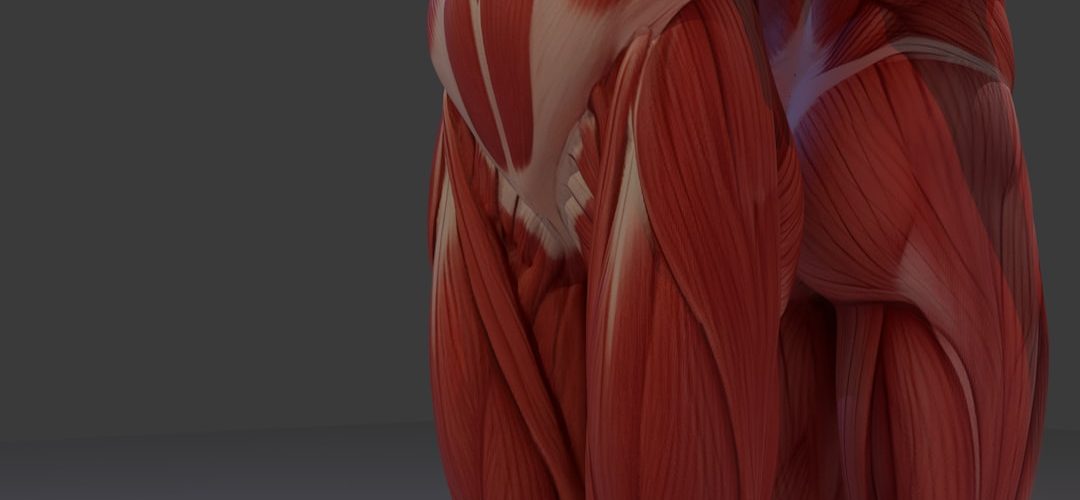
- In the lower limb, the pattern can vary. The quadriceps, located at the front of the thigh, are powerful knee extensors.
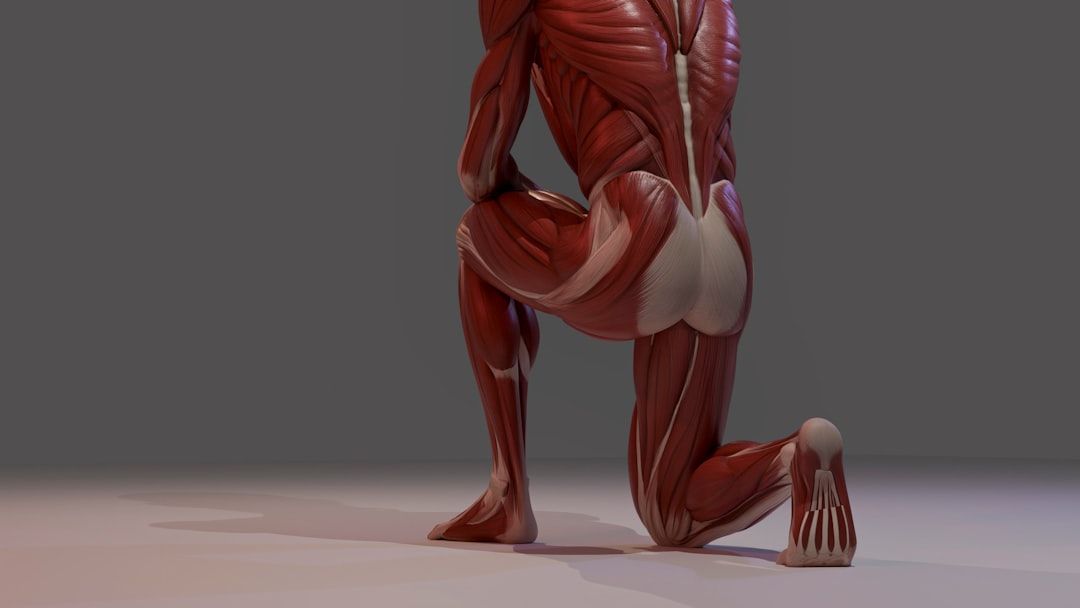
- The hamstrings, located at the back of the thigh, act as knee flexors and hip extensors.
This variation is why anatomy is best understood by looking at what a muscle does at a specific joint, rather than memorizing only where it sits.
Examples of Flexor Muscles
Flexors are found throughout the body, from the neck to the toes. Some important examples include:
- Biceps brachii: Flexes the elbow and helps rotate the forearm upward.
- Brachialis: A strong elbow flexor located beneath the biceps.
- Flexor carpi radialis: Flexes the wrist and helps move it toward the thumb side.
- Flexor digitorum superficialis: Flexes the fingers, allowing gripping and grasping.
- Iliopsoas: A major hip flexor that lifts the thigh toward the torso.
- Hamstrings: Flex the knee and assist with hip extension.
- Gastrocnemius: Helps flex the knee and points the foot downward at the ankle.
These muscles are active in countless everyday movements, including walking, running, squatting, writing, climbing, and carrying objects.
Examples of Extensor Muscles
Extensors are equally widespread and often play a major role in strength, balance, and posture. Common examples include:
- Triceps brachii: Extends the elbow, especially during pushing movements.
- Extensor carpi radialis longus: Extends the wrist and helps stabilize the hand.
- Extensor digitorum: Straightens the fingers.
- Gluteus maximus: Extends the hip, especially during rising, climbing, and sprinting.
- Quadriceps femoris: Extends the knee and is crucial for standing, walking, and jumping.
- Erector spinae: Extends the spine and supports upright posture.
- Tibialis anterior: Extends, or dorsiflexes, the ankle by lifting the foot upward.
Extensors are particularly important for anti-gravity movements. They help keep you upright and allow you to push against the ground, straighten the limbs, and maintain stability.
Flexion and Extension in Different Joints
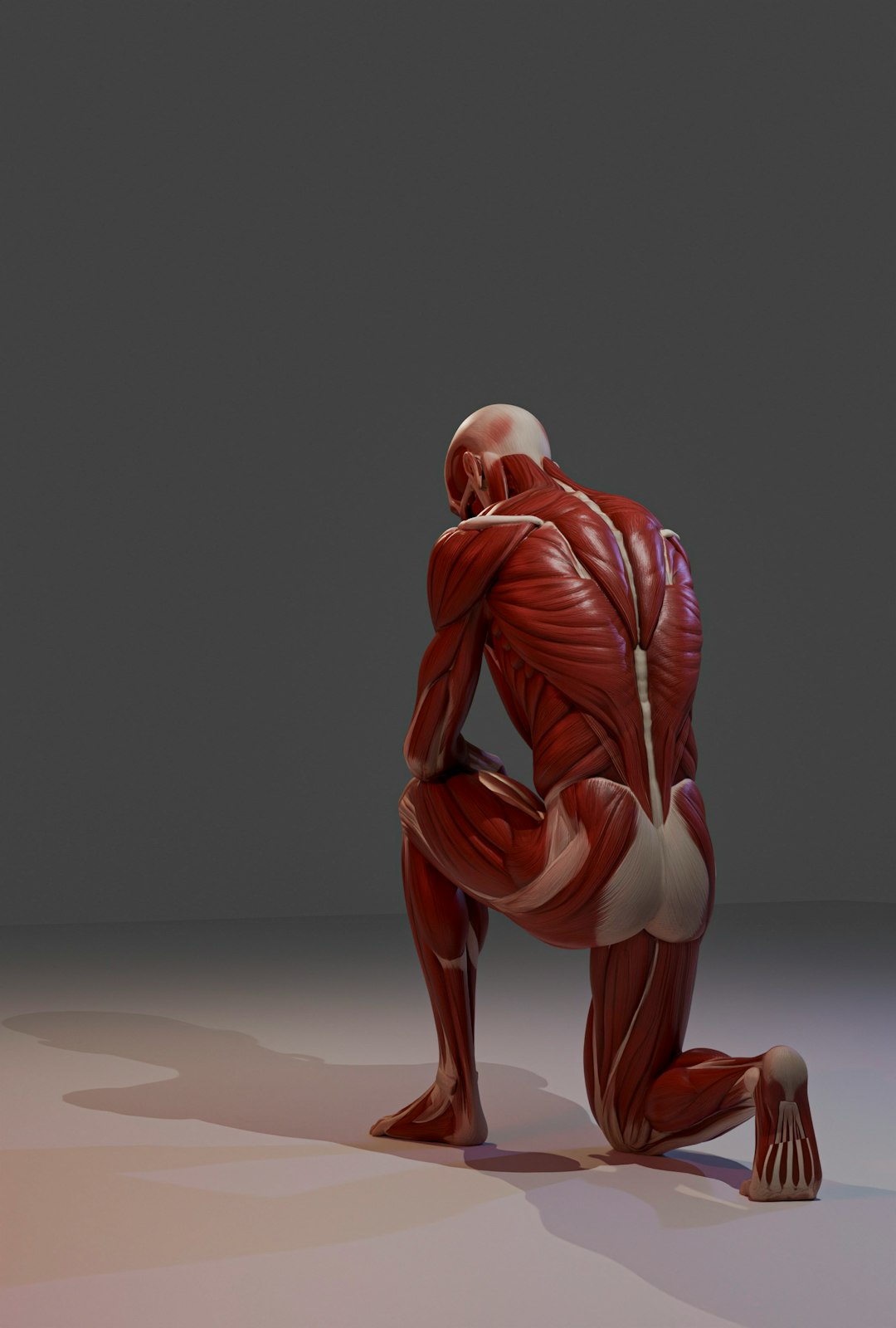
Although the basic idea is simple, flexion and extension can look different depending on the joint involved. At the elbow, flexion bends the arm and extension straightens it. At the knee, flexion bends the leg backward, while extension straightens the leg. At the hip, flexion brings the thigh forward, while extension moves it backward.
In the spine, flexion occurs when you bend forward, such as when touching your toes. Extension happens when you arch backward. In the wrist and fingers, flexion curls the hand or fingers inward, while extension opens them back up.
Why Flexor and Extensor Balance Matters
Healthy movement depends on balance between opposing muscle groups. If flexors are too tight or extensors are too weak, posture and joint mechanics can suffer. For example, tight hip flexors and weak gluteal extensors may contribute to lower back discomfort or poor running mechanics. Similarly, strong chest flexors with weak upper back extensors can encourage rounded shoulders.
Balanced training helps joints move efficiently and reduces the risk of overuse injuries. A good exercise routine usually includes both flexion-based and extension-based movements, such as:
- Biceps curls and triceps extensions for the arms.
- Hamstring curls and leg extensions for the thighs.
- Sit-ups and back extensions for the trunk.
- Hip flexor strengthening and glute bridges for pelvic control.
Final Thoughts
Flexor and extensor muscles are fundamental to nearly every movement the body performs. Flexors bend joints, while extensors straighten them, and together they form coordinated pairs that give movement strength, control, and precision. From the biceps and triceps in the arm to the hamstrings and quadriceps in the leg, these muscles make ordinary actions possible. The next time you walk, reach, grip, stretch, or stand tall, you are witnessing the elegant teamwork of flexors and extensors in action.