
Security incident reporting software has become a core part of operational resilience in 2026. Organizations are no longer looking only for a simple ticket form; they need structured intake, escalation workflows, evidence capture, compliance reporting, analytics, and integration with security operations tools. The strongest platforms help teams report incidents quickly, investigate them consistently, and demonstrate accountability to regulators, insurers, auditors, and executive leadership.
TLDR: The top-rated security incident reporting software in 2026 combines fast reporting, automated workflows, secure evidence handling, and strong compliance documentation. Leading options include ServiceNow Security Operations, Resolver, LogicGate Risk Cloud, Dataminr Pulse, Everbridge, OnSolve, Origami Risk, and Jira Service Management. The best choice depends on whether your organization prioritizes cybersecurity incidents, physical security, enterprise risk, crisis communications, or flexible workflow management.
What Defines a Top-Rated Security Incident Reporting Platform in 2026?
A serious incident reporting solution must do more than collect reports. In 2026, top-rated systems are evaluated on their ability to support end-to-end incident management, from initial reporting to triage, investigation, corrective action, and executive review. Security teams need a single, trusted record of what happened, who responded, when actions were taken, and what controls should be improved.
The most important evaluation criteria include:
- Ease of reporting: Employees, guards, IT staff, and third parties must be able to submit incidents quickly, including from mobile devices.
- Workflow automation: The platform should route incidents to the right team based on severity, location, incident type, or business unit.
- Evidence management: Strong tools support attachments, photographs, logs, witness statements, timestamps, and chain-of-custody controls.
- Compliance readiness: Reports should help satisfy requirements under frameworks such as ISO 27001, SOC 2, NIST, HIPAA, PCI DSS, GDPR, and industry-specific regulations.
- Analytics and dashboards: Leaders need visibility into incident trends, response times, recurring risks, and unresolved corrective actions.
- Security and access control: Role-based access, audit trails, encryption, and data retention policies are essential.

1. ServiceNow Security Operations
ServiceNow Security Operations remains one of the strongest choices for large enterprises that need security incident reporting connected to broader IT service management and security operations. It is particularly effective for organizations already using the ServiceNow platform for IT workflows, asset management, governance, or enterprise service delivery.
The platform supports structured incident intake, automated prioritization, case management, vulnerability response, threat intelligence enrichment, and integration with SIEM, SOAR, and endpoint security tools. For security teams managing thousands of alerts and incidents, ServiceNow helps reduce fragmentation by creating unified workflows and executive-level visibility.
Best for: Large enterprises with mature IT and security operations.
Key strengths:
- Strong workflow automation and case management
- Deep integration with ITSM and enterprise systems
- Useful dashboards for risk, response time, and operational performance
- Scalable architecture for multinational organizations
Consideration: ServiceNow can require significant implementation planning, licensing investment, and process design. It is powerful, but it is not usually the fastest option for small teams seeking a simple reporting tool.
2. Resolver
Resolver is a well-regarded platform for organizations that manage physical security, corporate investigations, enterprise risk, compliance events, and operational incidents. It is especially valuable for security departments that must document workplace violence, theft, fraud, policy violations, facility incidents, and investigations across multiple locations.
Resolver’s strength is its structured approach to incident intake and investigation. Users can create standardized forms, assign tasks, track corrective actions, and generate reports that help security leaders identify trends. It is commonly used by enterprises that need to connect incident reporting with broader risk management processes.
Best for: Corporate security, investigations, and enterprise risk teams.
Key strengths:
- Strong physical security and investigation workflows
- Customizable incident forms and case tracking
- Good reporting for recurring incidents and risk trends
- Useful for multi-site and global security operations
Consideration: Organizations should carefully configure categories, severity levels, and reporting workflows during implementation to avoid inconsistent data collection.
3. LogicGate Risk Cloud
LogicGate Risk Cloud is a strong option for organizations that want incident reporting tightly connected to governance, risk, and compliance. It is not only an incident reporting tool; it is a flexible risk management platform that can be configured for cybersecurity incidents, vendor incidents, control failures, audit findings, privacy events, and compliance exceptions.
In 2026, many organizations are under increased scrutiny from regulators and customers. LogicGate helps teams map incidents to risk domains, controls, policies, and remediation plans. This creates a more complete view of how incidents affect the organization’s risk posture.
Best for: GRC teams, regulated businesses, and organizations with complex compliance obligations.
Key strengths:
- Highly configurable workflows and risk taxonomies
- Strong connection between incidents, controls, and corrective actions
- Useful dashboards for executives, auditors, and risk committees
- Supports multiple use cases beyond incident reporting
Consideration: The platform’s flexibility is a major advantage, but it also means teams should invest time in building clear governance and workflow standards.
4. Dataminr Pulse
Dataminr Pulse is a leading platform for real-time event detection and alerting. While it is not a traditional internal incident reporting system in the same way as a case management platform, it is highly valuable for security teams that need early warning about external threats, major disruptions, travel risks, civil unrest, severe weather, cyber events, and geopolitical incidents.
Dataminr uses public data signals and AI-driven detection to notify organizations about emerging events that may affect people, facilities, supply chains, or operations. In many organizations, these alerts become the starting point for internal incident response workflows.
Best for: Global security operations centers, crisis management teams, and organizations with distributed assets.
Key strengths:
- Real-time external threat detection
- Useful for global monitoring and situational awareness
- Supports faster crisis response and decision-making
- Valuable for travel security and business continuity teams
Consideration: Dataminr is strongest when paired with a case management or incident workflow platform that can track internal response actions, evidence, and after-action reviews.
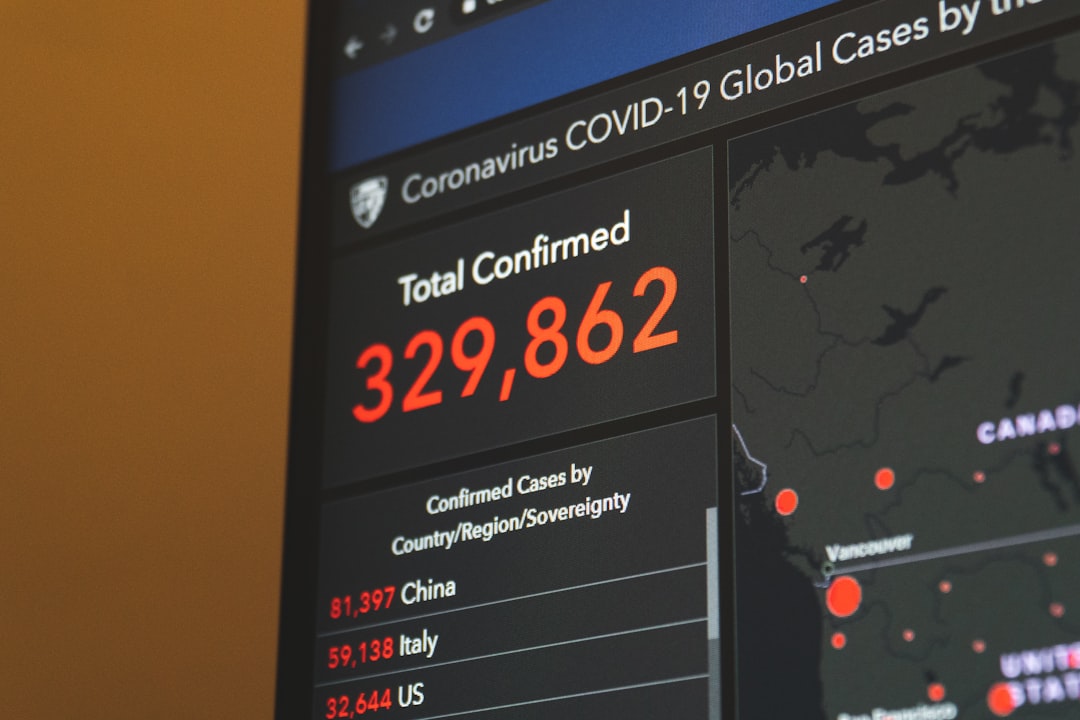
5. Everbridge
Everbridge is one of the most established platforms for critical event management and mass notification. It is widely used by enterprises, government agencies, healthcare organizations, universities, and infrastructure operators that need to communicate quickly during emergencies and coordinate response activities.
For incident reporting and response, Everbridge supports alerting, escalation, duty of care, crisis communication, and operational coordination. It is particularly strong where the incident response process involves notifying large groups of employees, confirming safety, activating response teams, or managing location-based alerts.
Best for: Emergency communication, critical event management, and business continuity.
Key strengths:
- Robust mass notification capabilities
- Location-aware alerting and employee safety features
- Effective for crisis response and operational disruption
- Strong adoption among large and regulated organizations
Consideration: Everbridge is most valuable when incident communication is a central requirement. Teams that need detailed investigation workflows may use it alongside a dedicated case management tool.
6. OnSolve
OnSolve is another strong solution for critical communications and risk intelligence. It helps organizations detect threats, notify stakeholders, and coordinate response during emergencies. In 2026, its value is especially clear for organizations that need to manage dynamic risks affecting employees, facilities, routes, or field operations.
OnSolve supports emergency alerts, automated notifications, risk intelligence, and operational response. Security teams can use it to improve situational awareness and ensure that the right people receive the right information at the right time.
Best for: Organizations prioritizing emergency alerts, risk intelligence, and rapid communication.
Key strengths:
- Strong emergency notification functionality
- Risk intelligence for emerging threats
- Useful for distributed workforces and field operations
- Supports continuity and resilience planning
Consideration: Like other critical communication platforms, OnSolve may need to be integrated with a formal incident management system if detailed case investigation is required.
7. Origami Risk
Origami Risk is a mature risk, safety, insurance, and incident management platform used by organizations that need structured reporting across claims, safety incidents, compliance events, and operational risk. It is especially relevant for companies where security incidents overlap with workplace safety, liability, insurance, or regulatory reporting.
The platform supports configurable forms, dashboards, analytics, and workflow automation. It can help organizations standardize incident reporting across business units and maintain a detailed record for claims management, legal review, and corrective action tracking.
Best for: Organizations connecting security incidents with safety, insurance, and risk management.
Key strengths:
- Strong incident, claims, and risk management capabilities
- Highly configurable reporting workflows
- Useful analytics for loss prevention and operational trends
- Good fit for complex organizations with varied reporting needs
Consideration: Buyers should confirm that the platform’s configuration aligns with their specific security incident categories, investigation procedures, and compliance reporting requirements.
8. Jira Service Management
Jira Service Management is a practical and flexible option for technology teams that need incident reporting, response coordination, and post-incident review. It is particularly popular among IT, DevOps, and cybersecurity teams that already use Atlassian tools such as Jira Software, Confluence, and Opsgenie.
Jira Service Management supports incident intake, escalation, service-level agreements, automation rules, knowledge management, and integrations with monitoring and security tools. Its flexibility makes it attractive for teams that want configurable workflows without adopting a large enterprise GRC platform.
Best for: IT security, DevOps, and technical incident response teams.
Key strengths:
- Flexible workflows for technical incidents
- Strong integration with Atlassian products
- Useful for post-incident reviews and knowledge documentation
- Accessible for growing teams and mid-sized organizations
Consideration: Jira Service Management may require customization for physical security, compliance investigations, or highly regulated evidence handling.

How to Choose the Right Platform
The best security incident reporting software is not always the platform with the longest feature list. It is the one that fits your operating model, regulatory exposure, staffing level, and risk profile. A financial institution, a hospital network, a manufacturing company, and a software provider may all define “incident” differently. The selected platform must reflect those differences.
When evaluating vendors, security leaders should ask:
- What types of incidents must be reported? Cybersecurity, physical security, safety, workplace violence, privacy, fraud, facility disruption, or all of these?
- Who will submit reports? Employees, contractors, security officers, IT analysts, customers, or anonymous reporters?
- What response workflows are required? Triage, escalation, investigation, legal review, regulatory notification, or corrective action tracking?
- What systems must integrate? SIEM, HR systems, access control, identity management, ITSM, GRC, emergency notification, or business intelligence tools?
- What evidence and audit controls are necessary? Attachments, logs, timestamps, approvals, chain of custody, retention schedules, and access restrictions?
Key Trends in 2026
Several trends are shaping the market. First, AI-assisted triage is becoming more common, helping teams classify incidents, identify duplicates, summarize case notes, and recommend next steps. Second, organizations are demanding stronger privacy and data governance, especially when incident reports include employee information, health data, security footage, or sensitive business records.
Third, incident reporting is increasingly connected to enterprise resilience. Security incidents are no longer viewed in isolation. A cyberattack may affect operations, communications, suppliers, legal obligations, and customer trust. The best platforms help organizations connect these impacts and coordinate across departments.
Final Recommendation
For large enterprises focused on cybersecurity operations, ServiceNow Security Operations is one of the most comprehensive choices. For corporate security and investigations, Resolver is a strong candidate. For governance, risk, and compliance alignment, LogicGate Risk Cloud deserves serious consideration. For crisis monitoring and critical communications, Dataminr Pulse, Everbridge, and OnSolve are especially relevant. For risk, safety, and claims-related incident management, Origami Risk is a strong option. For technical teams seeking flexible workflows, Jira Service Management remains a practical and widely adopted solution.
Ultimately, the right investment should improve reporting speed, response quality, accountability, and organizational learning. In 2026, security incident reporting software is not just an administrative tool. It is a critical system for protecting people, assets, data, operations, and reputation.