Clear communication is a clinical safety issue, especially when patients and families have limited English proficiency or use sign language. Hospitals, clinics, telehealth providers, behavioral health organizations, and insurers need translation and interpreting tools that protect protected health information while helping clinicians communicate accurately and respectfully.
TLDR: The best HIPAA-compliant language translation platforms for patient communication are those that combine qualified medical interpreters, secure technology, documented privacy controls, and a willingness to sign a Business Associate Agreement. Leading options include LanguageLine Solutions, Propio Language Services, AMN Healthcare Language Services, CyraCom, Voyce, Martti, Boostlingo, and selected enterprise cloud translation services when properly configured. Before adopting any platform, healthcare organizations should verify HIPAA responsibilities, interpreter qualifications, audit controls, data retention settings, and integration with existing clinical workflows.
Why HIPAA Compliance Matters in Patient Translation
Translation and interpreting platforms often handle sensitive information: diagnoses, medications, discharge instructions, insurance details, mental health disclosures, and demographic data. Under HIPAA, this information may qualify as protected health information, or PHI. If a vendor creates, receives, maintains, or transmits PHI on behalf of a covered entity, the vendor is typically considered a business associate.
That means a healthcare organization should not rely on general consumer translation apps for clinical communication. Many free or public tools may store text, use the content for product improvement, or lack appropriate contractual protections. In a healthcare setting, the safer approach is to use vendors that provide healthcare-specific security controls, interpreter training, access management, encryption, and a signed Business Associate Agreement, commonly called a BAA.
Important note: A platform is not “HIPAA compliant” simply because it uses encryption or advertises privacy. HIPAA compliance depends on the contract, the configuration, the organization’s policies, staff training, and how the service is used in practice.

What to Look for in a Healthcare Translation Platform
Before choosing a vendor, healthcare leaders should evaluate more than language coverage and price. A serious assessment should include operational, legal, technical, and clinical factors.
- Business Associate Agreement: The vendor should be willing to sign a BAA when PHI is involved.
- Medical interpreter qualifications: Interpreters should be trained in medical terminology, confidentiality, ethics, and cultural competence.
- Language access coverage: Look for support across common and rare languages, plus American Sign Language where needed.
- Modalities: Consider whether the platform provides video remote interpreting, over-the-phone interpreting, document translation, text translation, or multilingual messaging.
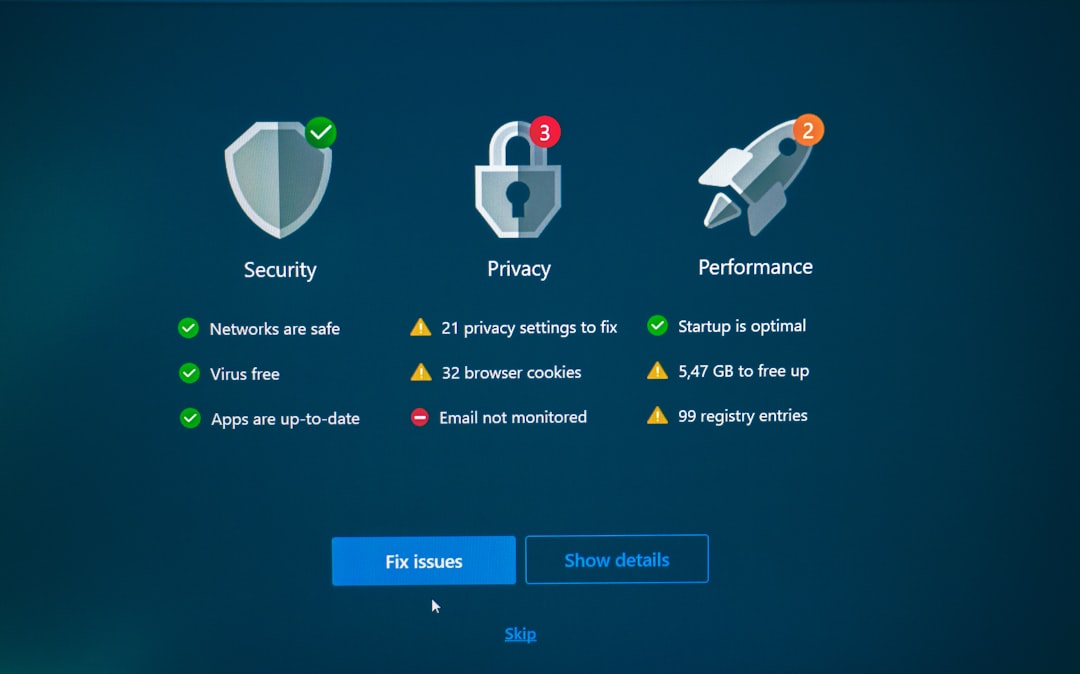
- Security controls: Encryption, role-based access, audit logs, authentication, and secure data retention policies are essential.
- Clinical workflow integration: Integration with EHRs, telehealth platforms, contact centers, patient portals, or scheduling tools can reduce delays.
- Availability: For emergency departments and inpatient units, 24/7 access is often necessary.
- Quality assurance: The vendor should have a documented process for monitoring interpreter quality and managing complaints.
Top HIPAA-Compliant Language Translation Platforms for Patient Communication
1. LanguageLine Solutions
LanguageLine Solutions is one of the most established names in healthcare interpreting. It offers over-the-phone interpreting, video remote interpreting, document translation, localization, and multilingual support services. Many healthcare organizations use LanguageLine for emergency departments, outpatient clinics, pharmacies, call centers, and telehealth encounters.
The platform is well suited for organizations that need broad language coverage and rapid access to interpreters. Its healthcare focus, interpreter training programs, and large operational scale make it a strong choice for hospitals and health systems that cannot afford delays in patient communication.
Best for: Large healthcare systems, emergency departments, multilingual call centers, and organizations needing wide language availability.
2. Propio Language Services
Propio Language Services provides video interpreting, phone interpreting, onsite interpreting, document translation, and language access services for healthcare, government, and enterprise clients. In healthcare, Propio is commonly considered for patient encounters, discharge planning, behavioral health visits, and administrative communication.
Propio’s platform is designed to support high-volume healthcare environments and can help organizations centralize language access across multiple departments. Its combination of technology and human interpreters makes it a practical option for providers that need flexibility across in-person, virtual, and phone-based interactions.
Best for: Hospitals, clinics, behavioral health providers, and organizations that need both remote and onsite language support.
3. AMN Healthcare Language Services
AMN Healthcare Language Services, formerly associated with Stratus Video, is a major provider of healthcare-focused interpreting services. It offers video remote interpreting, over-the-phone interpreting, and language access solutions designed specifically for clinical environments.
AMN’s healthcare background is a key advantage. The platform is commonly used in hospitals and health systems where fast video access to interpreters is important. Video interpreting is especially valuable for complex conversations, patient education, informed consent, and situations where visual cues improve understanding.
Best for: Hospitals, health systems, telehealth programs, and care teams that rely heavily on video remote interpreting.

4. CyraCom
CyraCom is another long-established healthcare language services provider. It offers phone interpreting, video interpreting, translation and localization services, and contact center support. CyraCom has a strong presence in healthcare and is often used for patient conversations that require immediate interpreter access.
Healthcare organizations may find CyraCom useful for routine and urgent communication, including appointment scheduling, billing discussions, emergency care, discharge instructions, and medication education. Its scale and experience in regulated environments make it a serious candidate for organizations seeking dependable language access infrastructure.
Best for: Health systems, payer organizations, patient access teams, and providers needing reliable interpreter availability.
5. Voyce
Voyce provides on-demand video and audio interpreting with a focus on healthcare and other regulated industries. It supports many spoken languages and is often positioned as a mobile-friendly communication tool for care teams.
Voyce can be useful in clinical settings where staff need fast access from tablets, workstations, or mobile devices. Its video-first approach can support more personal communication and may be especially helpful when discussing sensitive topics or when the patient benefits from seeing the interpreter.
Best for: Mobile care teams, outpatient clinics, telehealth users, and organizations prioritizing quick video access.
6. Martti
Martti is a healthcare-focused video remote interpreting platform known for supporting patient-provider communication at the bedside and in virtual settings. It offers video and audio interpretation and is often used on dedicated carts, tablets, or integrated devices within healthcare facilities.
The platform is designed for clinical workflows, including hospital units, emergency departments, and specialty care. Martti may be an effective choice for organizations that want healthcare-oriented implementation support and interpreter access directly where care is delivered.
Best for: Bedside interpreting, inpatient care, emergency departments, and health systems seeking dedicated interpreting devices.
7. Boostlingo
Boostlingo offers a language technology platform used for remote interpreting, interpreter scheduling, and language service management. It serves language service providers and organizations that need structured access to interpreters across multiple channels.
For healthcare organizations, Boostlingo may be particularly relevant when there is a need to manage interpreter workflows, schedule interpreters, or coordinate language services across departments. As with any platform handling PHI, healthcare buyers should confirm the availability of a BAA, security configurations, and healthcare-specific safeguards.
Best for: Organizations managing interpreter operations, language service providers supporting healthcare clients, and teams needing scheduling plus remote interpreting.
8. Enterprise Cloud Translation Services
Some healthcare organizations also use enterprise cloud translation tools, such as Google Cloud Translation, Microsoft Azure AI Translator, or similar services, for limited and carefully governed use cases. These tools can be powerful for translating written content, patient education materials, portal messages, or internal administrative text.
However, machine translation requires caution. It may not be appropriate for high-risk clinical decisions, nuanced consent discussions, mental health assessments, or urgent diagnostic explanations without human review. If PHI is involved, the healthcare organization must ensure the cloud provider’s applicable services are covered by a BAA and configured according to the provider’s HIPAA documentation.
Best for: Enterprise healthcare organizations with strong compliance teams, technical controls, and defined use cases for written translation.
Human Interpreting vs. Machine Translation
Healthcare communication is not just a word-for-word exchange. Culture, health literacy, tone, urgency, and emotional context matter. For that reason, professional human interpreters remain the safer choice for clinical encounters involving diagnosis, treatment, consent, trauma, medications, or end-of-life discussions.
Machine translation can still be useful, especially for routine written communication and scalable multilingual content. But it should be deployed with clear boundaries. A mistranslated medication instruction or symptom description can cause harm. The most responsible programs use machine translation where appropriate and require human review for high-risk content.
Practical Questions to Ask Vendors
When evaluating vendors, healthcare organizations should ask direct questions and request documentation. Strong vendors should be prepared to answer clearly and consistently.
- Will you sign a Business Associate Agreement?
- What PHI do you store, process, or transmit?
- How is data encrypted in transit and at rest?
- Do you maintain audit logs and access controls?
- How are interpreters trained in medical terminology and confidentiality?
- Are calls or video sessions recorded, and if so, can recording be disabled?
- What is your data retention policy?
- How quickly can clinicians access an interpreter by language and modality?
- Do you support American Sign Language and services for deaf or hard-of-hearing patients?
- Can the platform integrate with our EHR, telehealth system, or patient communication tools?
Implementation Best Practices
Even the best platform can fail if it is not implemented properly. Healthcare organizations should create a formal language access plan that defines when and how staff must use qualified interpreters. Policies should discourage reliance on family members, children, or unapproved consumer apps for clinical communication.
Training is also essential. Front desk staff, nurses, physicians, case managers, and billing teams should know how to access the platform quickly. In urgent settings, even a few minutes of confusion can affect patient care. Organizations should also monitor utilization data to identify gaps, such as departments that underuse interpreters or languages with long wait times.
For written translation, governance is equally important. Patient-facing materials should be reviewed for accuracy, reading level, cultural appropriateness, and clinical relevance. Translated discharge instructions, consent forms, and medication guidance should receive extra scrutiny.
Final Recommendation
The strongest choice depends on the organization’s size, patient population, budget, and clinical workflow. LanguageLine Solutions, Propio, AMN Healthcare Language Services, CyraCom, Voyce, Martti, and Boostlingo are all serious platforms to evaluate for healthcare language access. Enterprise cloud translation services may also play a role when used with careful compliance controls and appropriate human oversight.
For patient communication, the safest standard is clear: choose a platform that supports qualified language professionals, protects PHI through a signed BAA, fits naturally into the clinical workflow, and provides measurable quality controls. Language access is not only a regulatory obligation; it is part of safe, equitable, and respectful healthcare.